Wildfire as a tool

Fire was never only the enemy

For most of human history, fire was something you used on purpose: to hunt, to grow food, to look after country, to protect a camp. This page is about that side of fire, in plain terms, with photos so you can see what it looks like on the ground.

A field being burnt on purpose
A field being burnt on purpose · Photo: Pexels
New green growth on burnt ground
New green growth on burnt ground · Photo: Pexels
Smoke in a eucalypt forest
Smoke in a eucalypt forest · Photo: Pexels

Section 1

Using fire to reach cultural goals

Cultural burning is not one thing. The goal changes with the country and the people: food, travel, ceremony, safety, or the health of the land itself. What stays the same is that the fire is small, planned and aimed at a purpose.

Deer standing in a flower meadow

Hunting and driving game

Cool fire moves animals and leaves fresh green pick behind it. Hunters learned where game would feed a few weeks after a burn, and used fire to guide animals toward waiting people.

Deer standing in a flower meadow · Photo: Pexels

Dry grass and low bushes on open hills

Opening up travel and country

Fire clears scrub off walking routes, camps and ceremonial grounds. It also makes country easier to read and to move through, which matters when you live on it every day.

Dry grass and low bushes on open hills · Photo: Pexels

Wildflowers in full bloom

Growing useful plants

Burning at the right time brings back the plants people need: basket grasses, tubers, berries and medicines. The fire is timed around those plants, not around a calendar.

Wildflowers in full bloom · Photo: Pexels

A person tending a small fire at sunset

Ceremony, story and law

Fire carries meaning. It marks seasons, opens gatherings, and passes knowledge from old hands to young ones. In many cultures the burning itself is the teaching.

A person tending a small fire at sunset · Photo: Pexels

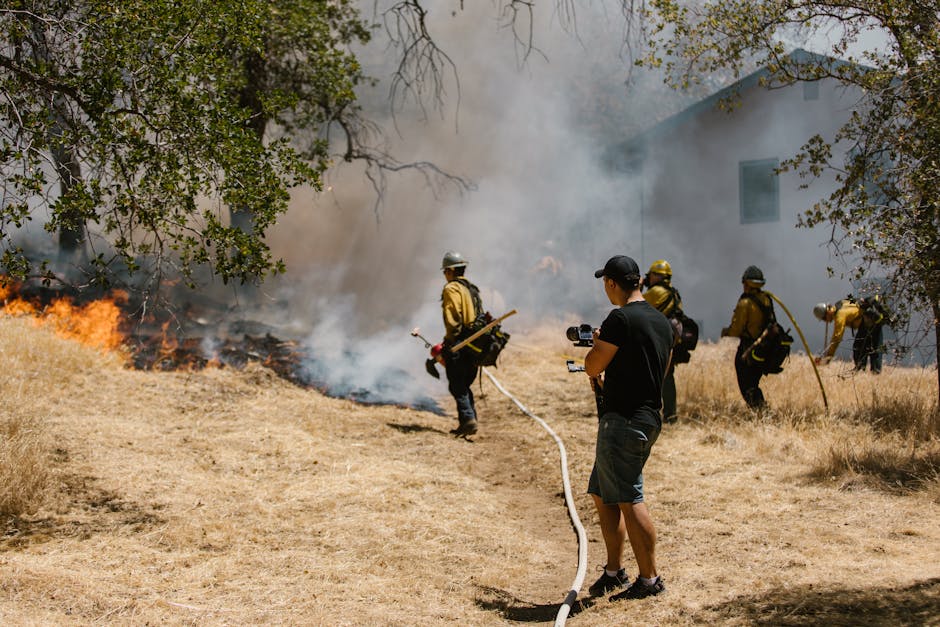
Firefighters working a fire near a home

Protecting camps and villages

Small burns around living areas take the heavy fuel away, so a late-season fire has less to eat when it arrives. That habit is thousands of years older than the word "defensible space".

Firefighters working a fire near a home · Photo: Pexels

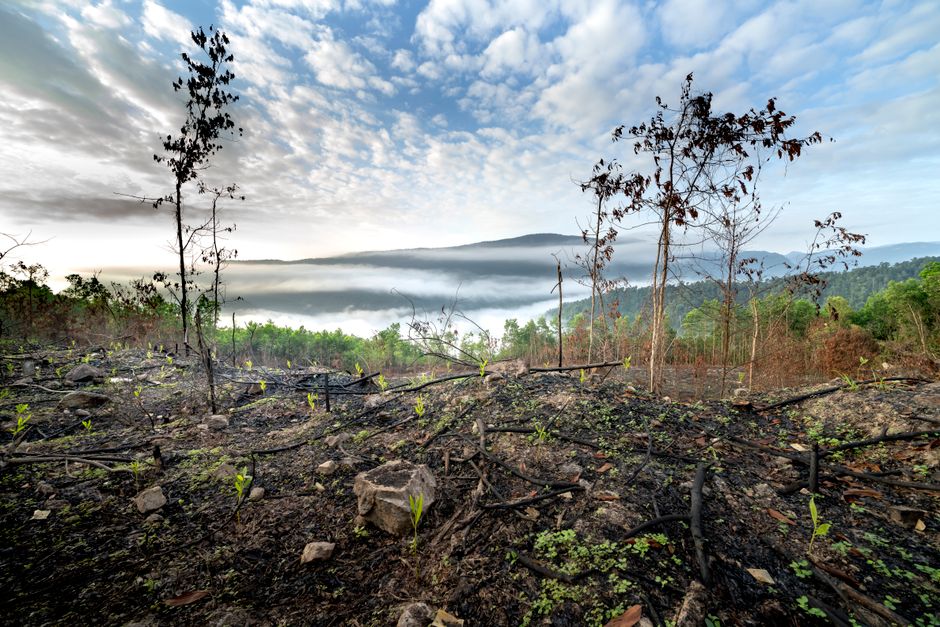
Green shoots on burnt ground

Keeping Country healthy

The goal is a patchwork: small burns at different ages across the land. That mix of old and new growth feeds animals, limits huge fires, and keeps the whole system working.

Green shoots on burnt ground · Photo: Pexels

What all of these have in common

Small fire, lit at the right time, by the people who know that place, with a clear job in mind. It is the opposite of a wildfire running on a hot wind. The knowledge is local: which plants need fire, which animals move after it, how long to wait before burning again. That is why cultural burning is learned from Elders and practitioners on the ground, not from a manual.

Section 2

Prescribed fire: the same idea, with a plan

Prescribed fire is fire lit on purpose under written conditions: the right weather, the right fuel, enough people and water to hold it, and a forecast for where the smoke goes. The idea is ancient. The paperwork is modern.

The plan

A burn plan states what the fire is for, the weather limits, the test fire, the holding resources and the trigger to stop. If conditions drift outside the box, the fire does not get lit, or it gets put out.

The window

Prescribed fire lives inside a narrow band: fuel dry enough to carry, wind gentle enough to control, smoke dispersing away from people. Outside that band it is either a wasted burn or a wildfire with a signature on it.

The people

A burn is a crew job, not a solo job: lighting, holding, patrolling the edge and watching the smoke. Most of the skill is in the holding, not the lighting.

Around the world

The word changes, the method changes, and the reason changes. Here is how it looks in four places.

Crews working a grass fire

United States

Agency burn bosses and burn plans

Prescribed fire here usually means a written plan, weather limits, a burn boss, holding crews and a smoke management forecast. Tribal nations are also rebuilding cultural burning on their own terms, often on a smaller and more frequent pattern than agency burns.

Crews working a grass fire · Photo: Pexels

Conifer forest in low morning mist

Canada

Boreal fuel and short windows

Canadian crews work in huge, remote boreal and mountain blocks where the safe burning window can be narrow. First Nations fire stewardship is being brought back alongside agency programs, with the cultural goal of healthy country sitting next to the safety goal.

Conifer forest in low morning mist · Photo: Pexels

Eucalyptus forest with smoke in the trees

Australia

Cultural burning and hazard reduction

Australia runs both: large agency hazard reduction burns, and smaller Cultural Fire work led by Traditional Owners. The cultural aim is often a cool, patchy burn that looks after Country, which can look very different from a broad fuel-reduction block.

Eucalyptus forest with smoke in the trees · Photo: Pexels

A small fire tended at sunset

Mediterranean Europe

Villages, grazing and old burning

In Portugal, Spain, Italy and Greece, fire is used to cut fuel around villages and to keep pasture open. Here the cultural goal is often tied to farming and herding traditions, and to stopping the big summer fires that follow abandoned land.

A small fire tended at sunset · Photo: Pexels

How local challenges shape cultural goals

Every culture that burns has the same wish: good fire, in the right place, at the right time. What differs is what the country and the rules allow. These are the pressures that change the shape of the practice.

What the fuel is

Grass country burns cool and fast, so burns can be frequent and small. Heavy eucalypt or pine litter burns hot and crowns, so burns are rarer and need more people, more water and more caution. The fuel decides how close you can get to the old cultural pattern.

When the weather allows it

Some places get a few safe weeks a year, others get months. When the window is short, burns bunch up and compete with each other, and cultural timing (the right plant, the right season) can clash with the safe weather window.

Who owns and controls the land

Cultural burning needs the people of that country to decide when and how. Where land is leased, fenced, zoned or managed by an agency, permission, insurance and liability rules can slow or reshape the practice, even when everyone agrees it is right.

Smoke, neighbours and risk

One escaped burn can set a program back years. Smoke near towns and roads adds rules. That pressure pushes agencies toward bigger, safer, more uniform burns, while cultural goals usually want small, patchy and frequent ones.

The legacy of putting fire out

A century of suppression left heavy fuel and changed the forest itself. In many places the first burns after that history have to be careful clean-up burns, not the gentle cultural fire people remember, before the old pattern can return.

Section 3

Fire for wildlife, timber and safety

Prescribed fire is also a working tool. The same low, controlled flame can grow better habitat, help a forest crop, and take the heavy fuel away from a town before the wrong fire finds it.

A deer in a green meadow

Wildlife protection and habitat

Many animals do well after the right fire. Fresh growth feeds deer, elk, moose and ground birds, dead trees feed insects and woodpeckers, and open patches give young animals cover to hide in. The aim is a mix of burnt and unburnt country, not one big black block.

A deer in a green meadow · Photo: Pexels

Forest edge beside a cleared block

Timber production

In working forests, low-intensity fire clears slash and brush before replanting, thins out crowded stands, and takes fuel away from the crop trees. It can also help with pests and disease by removing the weak and crowded stems first.

Forest edge beside a cleared block · Photo: Pexels

Smoke drifting over a forest with houses near it

Hazard reduction of heavy fuels

Around towns, the job is to break up the heavy fuel: dead wood, dense scrub, ladder fuels under the trees. A planned burn in mild weather is far safer than the same fuel burning in a summer wind. This is the most common reason agencies light fire at all.

Smoke drifting over a forest with houses near it · Photo: Pexels

Dry grass and scrub on open hills

Unwanted plants, weeds and pests

Fire knocks back invasive weeds, brambles and some pest insects, and clears ground so native seed can come back. It is not a fix for unwanted animals: fire changes habitat, and that can help some species and hurt others, so it has to be aimed carefully.

Dry grass and scrub on open hills · Photo: Pexels

The catch

Good fire is only good when it is aimed. Burnt at the wrong time, too hot, or in the wrong place, it damages soil, kills the plants you wanted, and can let weeds in. Every use on this page depends on the same three things: the right fuel condition, the right weather, and people on the ground who can hold it.