What a normal person can do before the fire arrives
Fire agencies in the United States, Canada, Australia and Europe give the same advice, in different words. This page gathers it into one place, in plain language, with photos so you can see what the work actually looks like.
Houses inside a wooded valley · Photo: PexelsFirewood stacked beside a home · Photo: PexelsSmoke drifting over a forest and houses · Photo: Pexels
The one idea to keep
You are not trying to stop a wildfire. You are trying to stop the small fires that a wildfire starts: embers landing on a roof, in a gutter, in dry mulch or through a vent. Almost every recommendation on this page is about removing something that can catch, close a gap where an ember can get in, or make it easier for firefighters to work safely at your house.
Section 1
The three zones around your house
Every country uses roughly the same map: a narrow band right against the building, a middle band where you break up the plants, and a wider band where you thin the fuel. Distances change, the order of work does not.
Right against the house
Zone 1: 0 to 5 feet (0 to 1.5 m)This is where embers land and smoulder. Nothing that burns should touch the walls: no woodpile, no bark mulch, no fuel cans, no dry plants under the windows. Gutters clear of needles and leaves, and the deck swept clean underneath.
Rain running off a roof gutter · Photo: Pexels
Lean, clean and green
Zone 2: 5 to 30 feet (1.5 to 10 m)Keep the lawn mown and watered, break up shrubs into small separated clumps, and take the lower branches off trees so a ground fire cannot climb into the crown. Move firewood and propane away from the building.
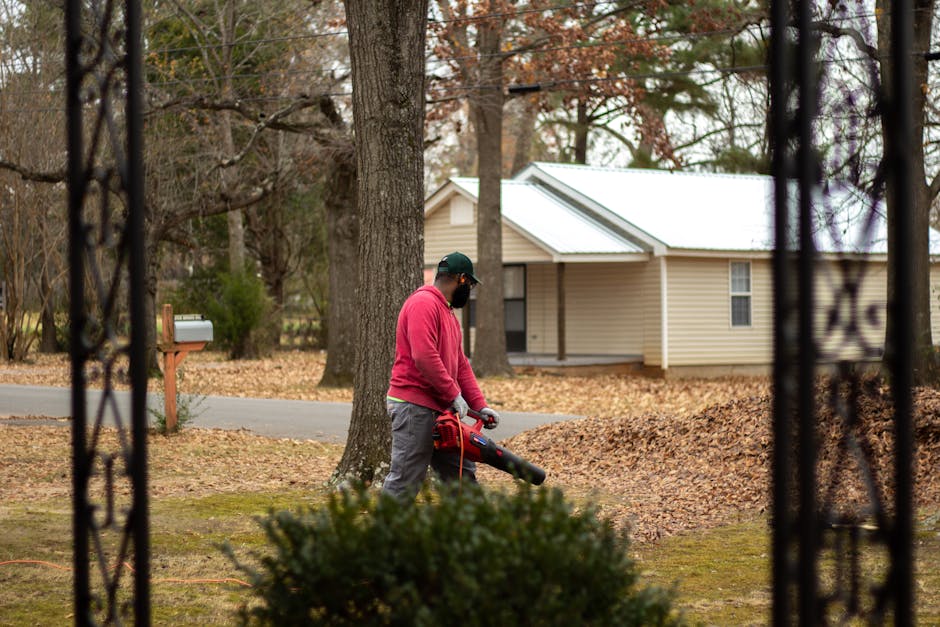
A yard being cleared of leaves · Photo: Pexels
Thin the forest, not the view
Zone 3: 30 to 100 feet (10 to 30 m)Further out, the job is to reduce how much fuel is packed together. Thin dense stands, remove dead wood and ladder fuels, and keep grass short. This is the zone where neighbours usually have to work together to make a difference.
Houses among autumn trees · Photo: Pexels
Start at the wall and work outward. If you only ever do one thing, do the first five feet: it is cheap, it is fast, and it is where embers do the most damage.
Section 2
Your house is part of the fuel
A cleared garden does not help a house with an open vent, a timber deck and single-pane windows. These are the weak points agencies everywhere tell homeowners to fix.
The roof and what lands on it
Class A roofing, no gaps, and no needles or leaves in the valleys. Most homes lost to wildfire are lost to embers landing on the roof or in the gutter, long before a flame front arrives.
Terracotta roof tiles · Photo: Pexels
Windows and skylights
Use double-pane or tempered glass, and close shutters or blinds. Single-pane glass can crack in the heat and let the fire straight inside.
Large glass windows on a modern home · Photo: Pexels
Deck, porch and furniture
Embers fall between the boards and start a fire under the deck. Clear the underside, screen it in, and move cushions, mats and furniture away when a fire is near.
A timber deck with outdoor furniture · Photo: Pexels
Woodpiles and fuel
Firewood is stored fuel. Keep it at least 30 feet (10 m) from the house, off the ground and covered, and never against an exterior wall.
A neatly stacked woodpile · Photo: Pexels
Plants against the walls
Replace highly flammable plants next to the building with low-flammability ones, and keep them watered and pruned. A hedge that touches the eaves is a ladder for fire.
A hedge being trimmed · Photo: Pexels
Vents, eaves and openings
Cover every vent with fine metal mesh (1/8 inch or 3 mm), screen under the eaves, and box in open soffits. An ember that gets into an attic usually means the house is lost.
Chimneys and vents on a roof · Photo: Pexels
The cheapest fixes come first
Clean the roof and gutters, move the woodpile, screen the vents, and take the doormat and cushions inside when a fire is close. None of that needs a contractor, and each one removes a way for an ember to start a fire you cannot see until it is in the roof space.
Section 3
What different countries recommend
Same physics, different paperwork. These are the official programs and the advice each one leads with, so you can go straight to the source for your own country.
United States
Firewise USA and the home ignition zone
US advice centres on the home ignition zone: the house and the first 100 feet (30 m) around it. Firewise USA recognises neighbourhoods that do the work together, and the Ready, Set, Go! program sets out when to prepare, when to evacuate and when to go.
✓Zone 1: 0 to 5 feet, nothing combustible against the house
✓Zone 2: 5 to 30 feet, lean, clean and green
✓Zone 3: 30 to 100 feet, reduced fuel and thinned trees
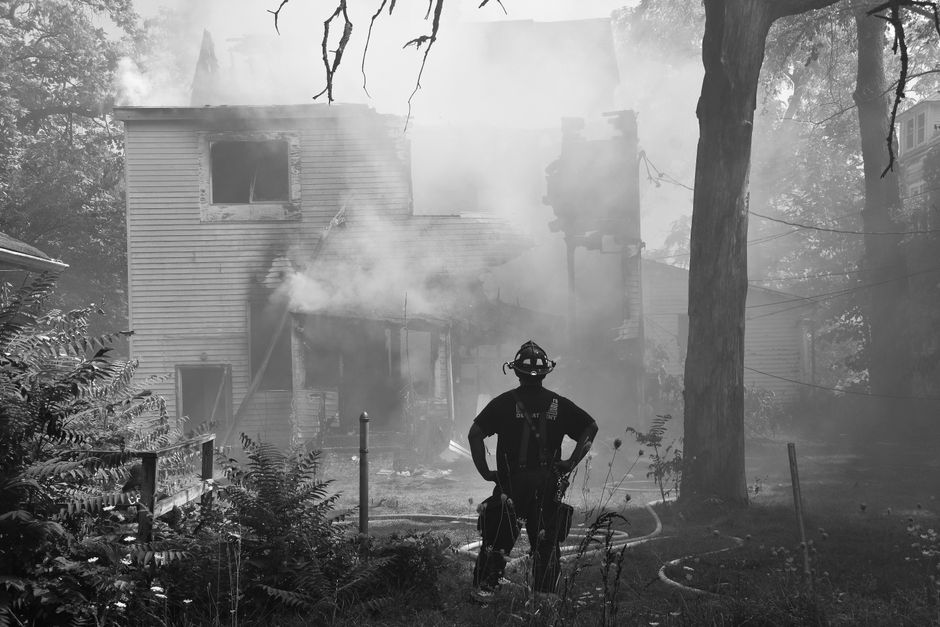
A firefighter outside a smoke-damaged house · Photo: Pexels
Canada
FireSmart: four zones and a home manual
FireSmart Canada splits the same idea into four zones (0 to 1.5 m, 1.5 to 10 m, 10 to 30 m, 30 to 100 m) and publishes a free FireSmart Begins at Home manual. The emphasis is on embers, because most Canadian homes lost in big fire seasons are lost to ember ignition.
✓Start with the 1.5 m zone: no mulch, no wood, no shrubs
✓Screen vents, close gaps, clean the roof and gutters
✓Work with neighbours: FireSmart recognises whole neighbourhoods
A house among dense autumn trees · Photo: Pexels
Australia
Prepare your home, and plan to leave
Australian agencies such as the NSW RFS and CFA Victoria put equal weight on the house and on the decision to leave. Ember attack is treated as the main threat, and the advice is blunt: a well-prepared house helps, but it is not a reason to stay if your plan is to go.
✓Clear gutters, mow, and remove flammable items from the yard
✓Seal gaps, screen vents, and cover windows and skylights
✓Write a bushfire survival plan and decide early, not on the day
Aerial view of houses in a wooded valley · Photo: Pexels
Mediterranean Europe
Fuel bands, villages and shared work
In Portugal, Spain, Italy and Greece the law often requires a fuel management band around buildings, and much of the work is shared between neighbours, municipalities and forest services. The European Forest Fire Information System (EFFIS) tracks the risk across the whole region.
✓Keep the required clearance band mown and clear of scrub
✓Remove trees close to walls and over the roof
✓Coordinate with the municipality: one cleared house in a row of dry gardens does little
A valley of houses below forested hills · Photo: Pexels
Section 4
When a fire is actually coming
Preparation buys you time. What you do with that time decides the outcome. Every agency on this page says the same thing: leaving early is the safest single action available to an untrained person.
Pack a go bag before you need it
Documents, medicines, phone charger, water, a torch, spare glasses, cash and pet food. Keep it by the door in fire season, so leaving takes minutes and not an hour of searching.
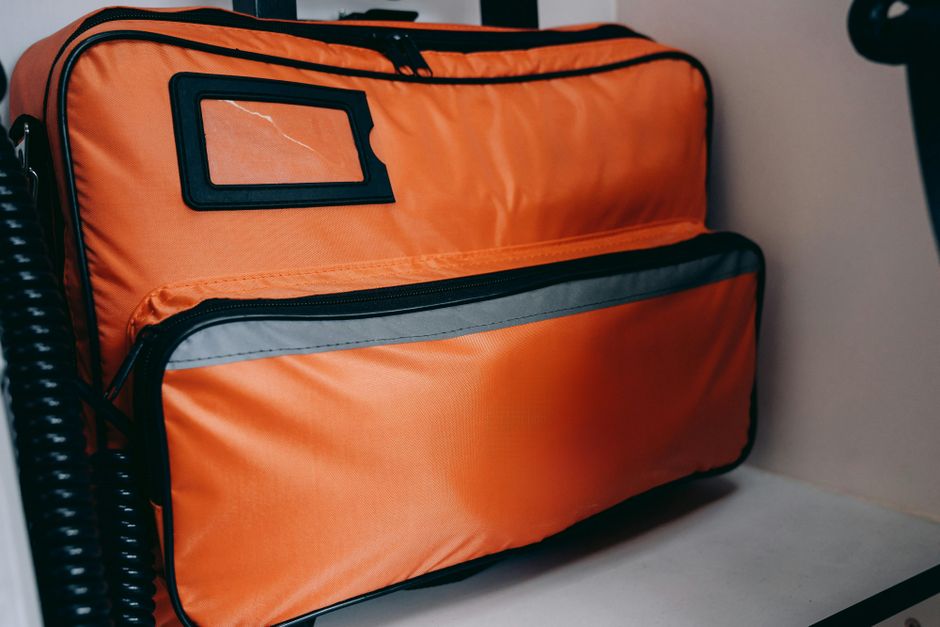
An emergency medical bag packed and ready · Photo: Pexels
Set up water and hoses early
A charged hose, buckets and a ladder left out in plain sight help firefighters and give you options. Wetting down the ground near the house helps, but only after you have already decided how you will leave.
A garden hose watering a lawn · Photo: Pexels
Watch the alerts, not the sky
Sign up for the official alert service where you live and follow local fire authorities. Smoke can arrive hours before flames, and the sky going dark is not a warning system.
A city under smoke haze · Photo: Pexels
Leave early, and tell someone
Leaving early is the single most effective thing a normal person can do. Close windows and doors, leave lights on so the house is visible in smoke, and tell a family member or neighbour where you are going.
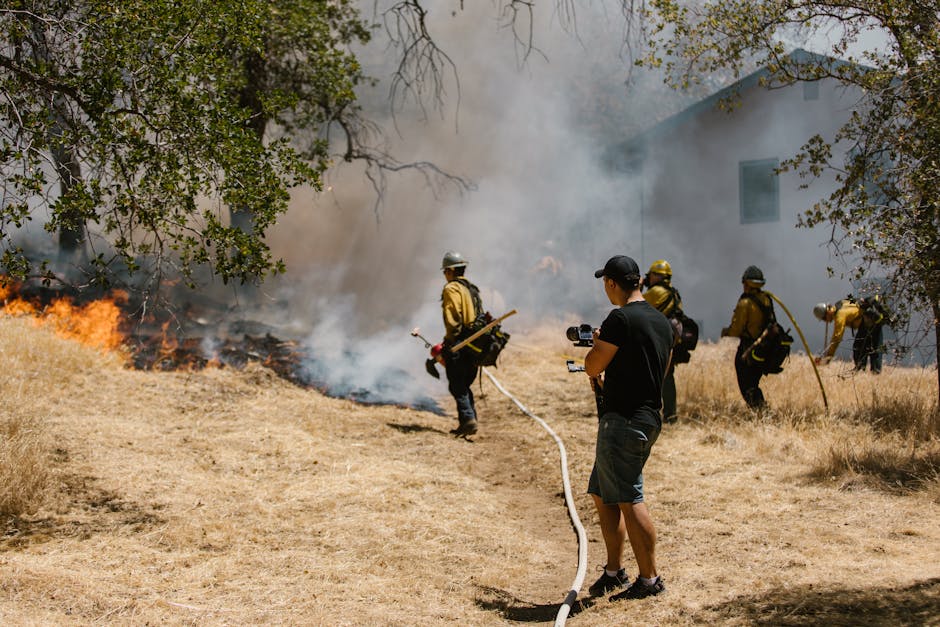
Firefighters working a fire close to a home · Photo: Pexels
The order to do things in
1When fire danger is high, get the house ready and pack the go bag. Do not wait for a warning.
2When a fire starts nearby, check the official alert level and put the go bag by the door.
3When the alert says prepare to leave, move pets, papers and people first, then close up the house.
4When the alert says leave, leave. Close windows and doors, leave lights on, and take the route the authorities give you.
Section 5
Four beliefs that get people hurt
These come up in every fire season, in every country. They are worth knowing before you need them.
"A big clearing around the house will save it."
Reality: Most homes burn from embers landing on the roof, in gutters or through vents, not from a wall of flame. A cleared garden with a flammable roof is still at risk. Do both.
"I will stay and defend with the garden hose."
Reality: A hose is not a firefighting appliance and water pressure often fails in a big fire. Agencies everywhere say the same thing: leave early unless you are trained, fit and prepared to lose power and water.
"It is a rural problem, not a town problem."
Reality: Embers travel kilometres. Suburban houses with timber fences, bark mulch and trees touching the roof burn in the same fires as houses in the bush.
"Clearing my land is enough, my neighbour does not matter."
Reality: Fire does not stop at a fence. Every program on this page, Firewise, FireSmart, the Australian neighbourhood preparations and the European fuel bands, is built around neighbours working together.
Official checklists and programs
Rules, distances and grant programs differ by country, state and even by council. Use these official sources for where you live.

 Watch