Busting wildfire myths

The things people believe about fire, and what is actually true

Every fire country has its own stories: fireballs, fuel that looks after itself, crews that never get it wrong. Most are half true, and the half that is wrong is the part that gets people hurt. This page takes the common myths region by region.

Smoke in a eucalypt forest
Smoke in a eucalypt forest · Photo: Pexels
A fire burning near a town at night
A fire burning near a town at night · Photo: Pexels
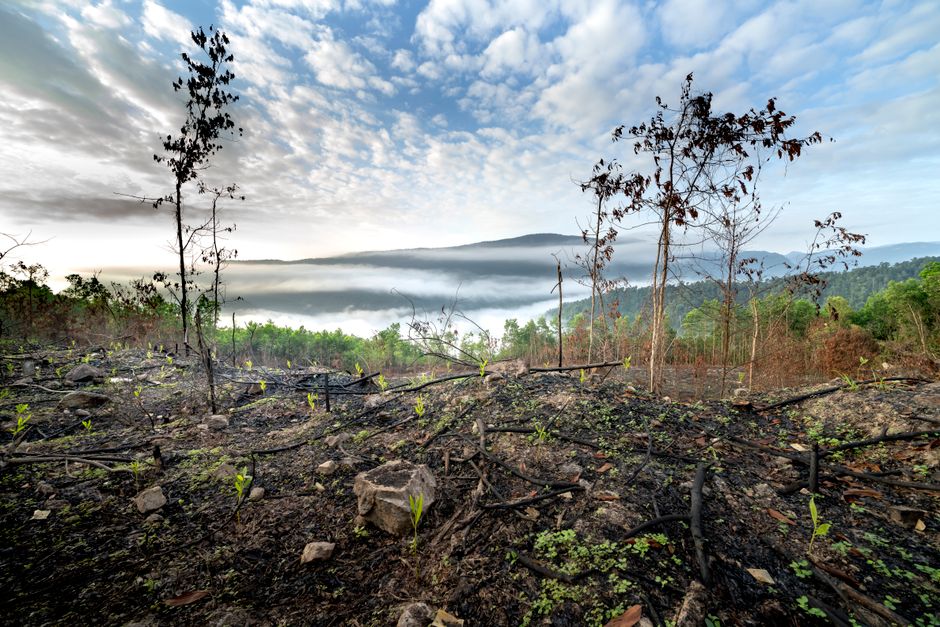
Green shoots on burnt ground
Green shoots on burnt ground · Photo: Pexels

How to read this page

Each card has three parts: the myth as people say it, what actually happens, and why the difference matters on the ground. None of this is about winning an argument. It is about spending money and effort where it changes the outcome.

Australia

Australian bushfire myths

Australia has the loudest fire arguments and the strongest opinions, which is how myths get started. These four come up again and again, and each one can get somebody hurt or send money in the wrong direction.

Smoke in a eucalypt forest
Smoke in a eucalypt forest · Photo: Pexels
Sparks flying off a fire at nightMythSparks flying off a fire at night · Pexels

"Fireballs appear before the fire arrives."

What actually happens: What people see is real, the name is wrong. Embers driven by wind arrive well before the flame front and start spot fires hundreds of metres or kilometres ahead. Very rarely, intense heat and turbulence spin up a fire whirl. There is no evidence of self-propelled balls of fire travelling ahead of a bushfire.

Why it matters: You prepare for ember showers, not just a wall of flame. That means roof, gutter, vents and the five feet around the house, because the embers get there first.

Dry leaves and twigs on a forest floorMythDry leaves and twigs on a forest floor · Pexels

"Fuel loads will disappear naturally if we leave them alone."

What actually happens: In most Australian forests fuel builds up. Litter, bark and dead shrubs break down slowly, and some eucalypt species shed bark that hangs in the canopy. Country that has not burned for decades carries far more fuel than country burned regularly, which is why long-unburnt blocks often burn hottest.

Why it matters: Doing nothing is a fuel management decision, just a slow and expensive one. The choice is planned fire, mechanical work or grazing, or a much bigger fire later.

A firefighter with gear in a grassy fieldMythA firefighter with gear in a grassy field · Pexels

"Australian firefighters are the safest and most productive fireline igniters in the world."

What actually happens: Australian crews are experienced and well trained, but no data shows a national ranking for ignition work. Output and safety depend on the crew, the supervisor, the fuel, the wind and the day. Every serious inquiry into fireline deaths, in Australia and everywhere else, finds the same things: fatigue, pressure to perform, and a plan that stopped matching the fire.

Why it matters: Believing you are the best is how briefings get skipped. There is no internationally accepted baseline training standard for ignitions, so different regions run their ignition programs to different standards, training programs are often not developed, fires are routinely lost, and people get hurt. The safest igniters are the ones who still walk the escape route before they light.

A koala climbing a eucalyptMythA koala climbing a eucalypt · Pexels

"Koalas move quickly during hazard reduction burns and get up into the canopy to escape."

What actually happens: Koalas are slow, and canopy scorch is exactly what kills them. Research after hazard reduction burns has recorded foliage scorched more than ten metres up, and monitored koalas losing a large share of their home range. Best practice is pre-burn and same-day surveys, avoiding high-intensity burns in occupied habitat, and keeping burns patchy.

Why it matters: Wildlife surveys are not paperwork. If you plan to burn habitat, you plan around the animals that cannot outrun the fire.

Region 1

United States

US wildfire myths

A century of "put every fire out by ten the next morning" left the US with heavy fuel and a set of beliefs that grew alongside it. These are the ones still shaping arguments today.

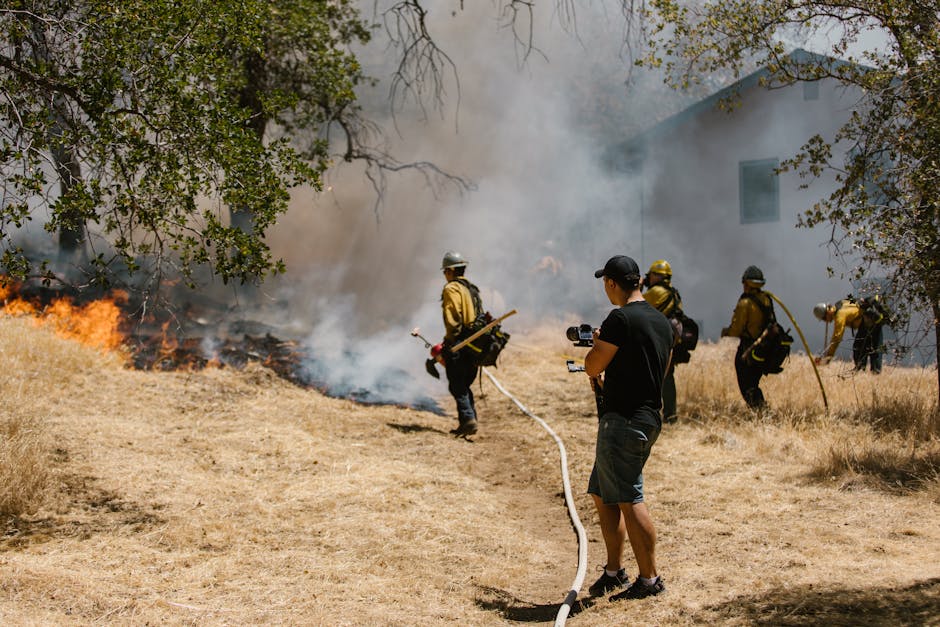
Firefighters working a fire close to a home
Firefighters working a fire close to a home · Photo: Pexels
Ground after a controlled burnMythGround after a controlled burn · Pexels

"All fire is bad, and every fire should be put out."

What actually happens: Fire is how many North American forests and grasslands stay healthy. Removing all fire lets fuel build up, thins out fire-adapted plants and makes the next fire harder to control. Federal and state agencies now run prescribed fire programs on millions of acres for exactly this reason.

Why it matters: Suppression is a tool, not a policy. Some fires need crews, some need monitoring, and some need to be lit on purpose in mild weather.

A dozer working a cleared stripMythA dozer working a cleared strip · Pexels

"A firebreak or a logged strip will stop a wind-driven fire."

What actually happens: Breaks help crews work and can hold a low-intensity flank. Under extreme fire weather, embers cross them and spotting starts new fires on the far side. Wind, drought and fuel arrangement decide whether a fire is stopped, not a cleared line on its own.

Why it matters: Do not promise a community that a dozer line will save it. Home hardening and fuel work near the houses do more than a line on a ridge.

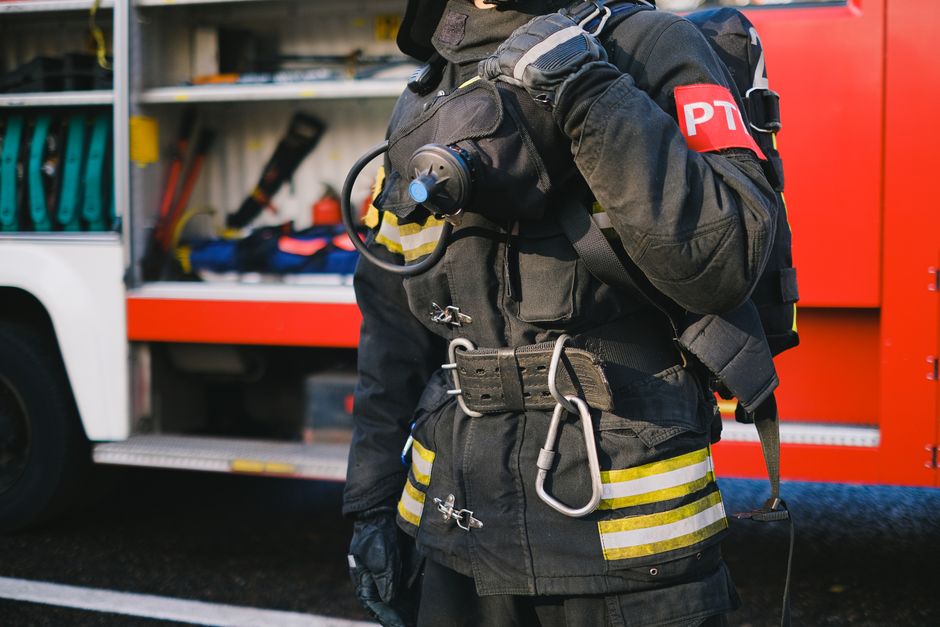
A firefighter in full protective gearMythA firefighter in full protective gear · Pexels

"A fire shelter means you can survive anywhere."

What actually happens: A fire shelter is a last resort for an entrapment, not a safe place to work. It reflects radiant heat for a short time in a cleared area with light fuel. In prolonged flame contact, in heavy fuel or in a vehicle, it does not save you.

Why it matters: The shelter is the plan C. Plan A is a safety zone and a route to it, checked before the fire changes.

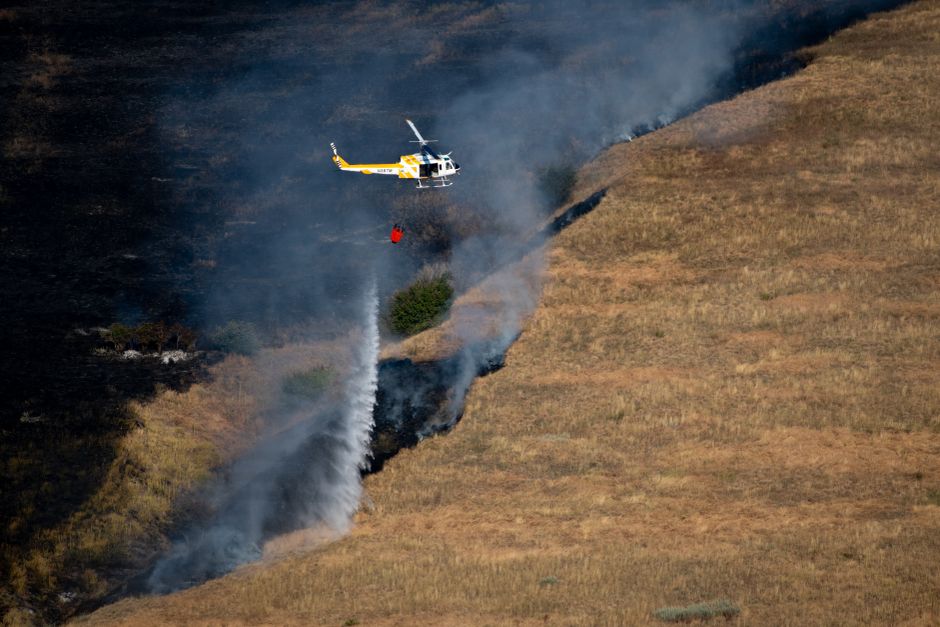
A helicopter working a wildfireMythA helicopter working a wildfire · Pexels

"Air tankers and helicopters put fires out."

What actually happens: Aircraft slow a fire so ground crews can get in and build line. Retardant does not extinguish a running fire, and drops are limited by visibility, wind, smoke and distance to a reload base. No fire in US history has been contained by aviation alone.

Why it matters: Aircraft buy time. The line gets built by people with hand tools and machines, and the fire is out when the edge is cold.

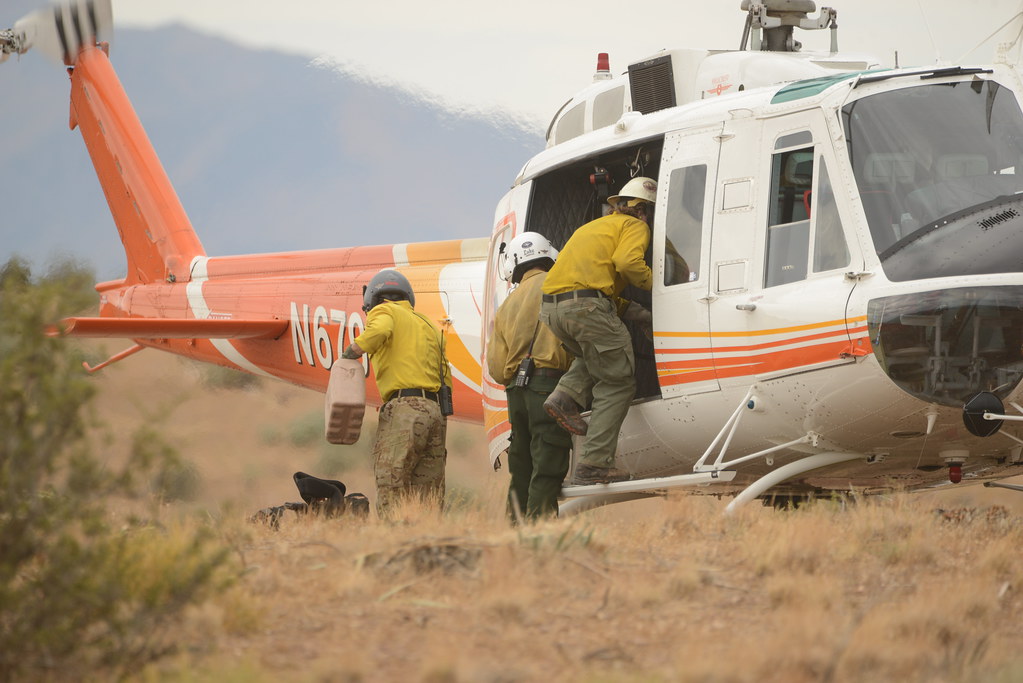
Federal firefighters boarding a helicopter on the firelineMythFederal firefighters boarding a helicopter on the fireline · US Forest Service, public domain

"Helitack crews will always have a helicopter available to rescue them when things go bad."

What actually happens: Aircraft have hard limits: smoke, wind, darkness, terrain, maintenance, other ships on the fire and the pilot's own visibility decide whether a helicopter can land or hover. Maintenance alone can take a ship off the board: a helicopter that flew you in this morning can be grounded for an inspection, a part or a repair this afternoon, and no amount of need on the fire changes that. A fire making a hard run usually throws up the smoke that blocks the ship at exactly the moment you need it. The helicopter can be overhead and still unable to reach you.

Why it matters: This has been tested twice in recent memory. On the Cramer Fire in Idaho in 2003, helitack firefighters Jeff Allen and Shane Heath were cut off on a ridge building a helispot, and the helicopter could not land because of heavy smoke; both were overrun. On the Knowles Fire in Colorado in June 2026, four firefighters died in a burnover and the rescue helicopter could not land because of dense smoke and extreme fire behaviour. Treat every helicopter ride as one way: have a walk-out safety zone and an escape route before the ship leaves.

Region 2

Canada

Canadian wildfire myths

Canada burns big, remote blocks of boreal forest, and that scale creates its own misunderstandings about what is natural, what is preventable and who is at risk.

Smoke rising from a conifer forest beside water
Smoke rising from a conifer forest beside water · Photo: Pexels
Forest recovering after fire, smoke still hangingMythForest recovering after fire, smoke still hanging · Pexels

"Boreal fire is natural, so we should let it all burn."

What actually happens: Fire is natural in the boreal, but the forest now has towns, mines, pipelines, highways and First Nations communities in it. A "natural" fire can still destroy a community, close a highway for weeks and put smoke across a continent.

Why it matters: The question is not natural versus unnatural, it is which fire, where, under what conditions, and who carries the risk.

A house among autumn trees in a neighbourhoodMythA house among autumn trees in a neighbourhood · Pexels

"FireSmart only matters if your house is in the woods."

What actually happens: Most homes lost in Canadian fire seasons are lost to embers, and embers travel for kilometres. Suburban houses with bark mulch, a woodpile against the wall and trees touching the roof burn in the same fires as cabins in the bush.

Why it matters: The 1.5 metre zone around the wall is cheap work that helps in town as much as in the forest.

Lightning over a stand of pinesMythLightning over a stand of pines · Pexels

"Lightning causes nearly all Canadian wildfires."

What actually happens: Lightning starts many fires in summer, especially in remote country. But a large share of fires, and often the ones closest to communities, are human-caused: escaped campfires, grass burning in spring, equipment, vehicles and power lines. Those are the ones that can be prevented.

Why it matters: Reporting a fire, obeying fire bans and checking a campfire is cold to the touch still does measurable good.

Region 3

Mediterranean Europe

Mediterranean myths

In Portugal, Spain, Italy, Greece and southern France, fire is tied to villages, farming, grazing and land abandonment. That history produces myths that sound like common sense.

Dry grass and low scrub on open hills
Dry grass and low scrub on open hills · Photo: Pexels
Pine forest under a mountain ridgeMythPine forest under a mountain ridge · Pexels

"Eucalyptus and pine are the problem. Remove the trees and the fire goes away."

What actually happens: Flammable trees matter, but the bigger drivers are land abandonment, heavy fuel buildup, hot dry summers, arson and escaped agricultural burns. Cleared land with dry grass and a hot wind still carries fire, and removing trees can leave scrub that burns faster.

Why it matters: Fuel management is about arrangement and upkeep, not just species. A maintained fuel band around a village is worth more than a species list.

A helicopter dropping water from a bucketMythA helicopter dropping water from a bucket · Pexels

"Water bombers can stop any fire."

What actually happens: The same limit applies in Europe as everywhere else: aircraft slow the head so ground crews can work. They cannot fly in heavy smoke or strong wind, they need water nearby, and they cannot cool a deep, burning edge.

Why it matters: Expecting an air show creates false confidence. The fire is held on the ground, at the edge, by people with water and tools.

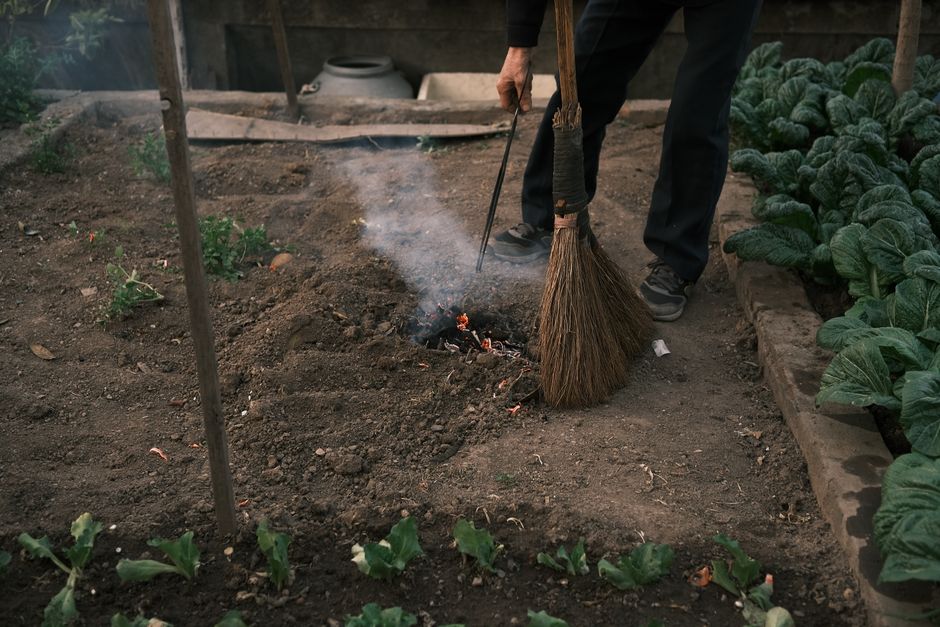
A small garden fire being tendedMythA small garden fire being tended · Pexels

"All burning is illegal, so there is no place for prescribed fire here."

What actually happens: Several Mediterranean countries run legal prescribed burning programs, and Portugal and Spain require fuel management bands around buildings. Traditional burning of agricultural residue is regulated rather than banned outright, with permits and calendar windows.

Why it matters: The rule is usually "no fire without permission", not "no fire". Learning the permit system is part of living in a fire country.

Region 4

Southeast Asia

Southeast Asian myths

The haze crises in Indonesia and Malaysia created their own set of beliefs, mostly about what fire is doing under the ground and who is to blame for it.

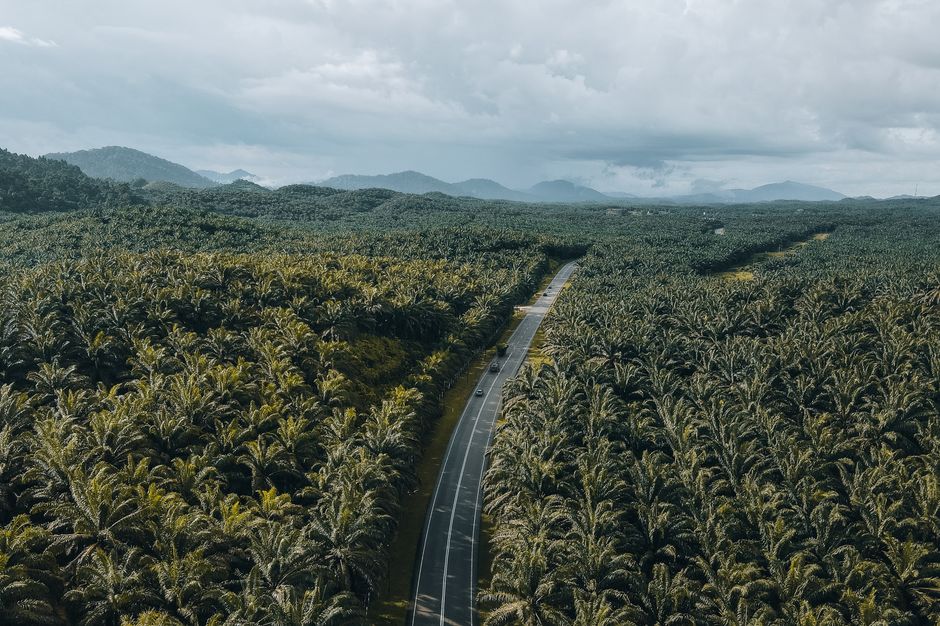
A palm plantation in Terengganu, Malaysia
A palm plantation in Terengganu, Malaysia · Photo: Pexels
A swamp forest from the airMythA swamp forest from the air · Pexels

"You can put a peat fire out by spraying the surface."

What actually happens: Peat burns underground and sideways, smouldering for weeks. Surface water does not reach it. Firefighters need deep pumping, trenches, and above all rewetting the peat and blocking the drainage canals that dried it out in the first place.

Why it matters: A peat fire that looks out can come back through the smoke. Prevention means keeping peat wet, which is a land use decision, not a firefighting one.

A field being burnt on purposeMythA field being burnt on purpose · Pexels

"All slash-and-burn is the same as plantation clearing."

What actually happens: A Dayak family burning a small food plot with firebreaks, watched wind and neighbours helping is a different act from a large company clearing land for a crop. The law after 2015 often treats them the same, which is exactly the argument communities are making.

Why it matters: Lumping all burning together pushes small farmers away from their own fire knowledge without touching the big burns.

A city under thick smoke hazeMythA city under thick smoke haze · Pexels

"Haze is a landowner problem, not mine."

What actually happens: Haze closes schools and airports, drives respiratory illness across borders and costs regional economies billions. It is also a fire problem created by drainage, land clearing and drought, not by one bad week.

Why it matters: The fix is regional: peat rewetting, enforcement, fire-free village programs and support for communities that still burn carefully.

Region 5

Everywhere

Myths that cross borders

These ones turn up in every country, usually in a comment thread after a bad fire season. They matter because they push money and attention away from the things that actually work.

New green growth on burnt ground
New green growth on burnt ground · Photo: Pexels
Cracked dry earth in droughtMythCracked dry earth in drought · Pexels

"Climate change makes fuel management pointless."

What actually happens: Hotter, drier weather makes fires worse, and it also narrows the safe window for prescribed burning. Neither fact cancels the other. Home hardening, fuel work near towns and quick initial attack still change outcomes in a hotter climate.

Why it matters: Treating it as either climate or fuel is a way of doing nothing. Both are true, and the work on the ground still works.

Crews organising equipment on a fire truckMythCrews organising equipment on a fire truck · Pexels

"More firefighters and more aircraft are the answer."

What actually happens: Suppression capacity matters, but no country has enough crews to stop fires under extreme weather. The fires that destroy the most houses are the ones where suppression was never going to succeed. Prevention, land management and building standards reach further.

Why it matters: Ask what the money buys: another aircraft, or a thousand hardened homes and a prescribed fire program?

A pot over a campfire at nightMythA pot over a campfire at night · Pexels

"Traditional knowledge is folklore. Science is the only evidence."

What actually happens: Cultural burning is being studied with the same tools as agency burning, and the results are being published: burn depth, carbon loss, emissions, wildlife response, fuel reduction. Indigenous practitioners also hold local knowledge that no remote sensing dataset has yet matched.

Why it matters: Good fire needs both. Dismissing one side is how programs fail to get lit.

Region 6

Why busting myths matters

A myth is not harmless. It moves budgets, changes what homeowners do on a Saturday, and shapes what a crew believes about its own invincibility.

Myths cost money

A community that believes a firebreak will save it may skip the roof and gutter work that actually does.

Myths cost lives

Crews that believe they are the best in the world stop checking their escape routes. Inquiries keep finding the same pattern.

Myths cost trust

When the promised aircraft does not stop the fire, people stop believing the next warning. Honest language is a safety tool.